Table of contents
From boardrooms loosening tie rules to streetwear edging into luxury runways, dress codes are being rewritten in real time, and modern boutiques are among the most influential editors of that change. In a market where global apparel sales are measured in the trillions of dollars each year, the stakes are not just aesthetic but economic, as shoppers increasingly treat clothing as identity, and retailers respond with tighter curation, sharper storytelling, and smarter inventory. The question is no longer what is “allowed”, but what feels like you.
Dress codes are fading, but signals remain
Uniforms are dying; social cues are not. Over the past decade, workplaces in North America and Europe have steadily relaxed formal requirements, a shift accelerated by remote and hybrid work, as video calls narrowed the visible wardrobe to shoulders-up polish paired with off-camera comfort. Yet even as “business casual” becomes a default, people still dress for belonging, authority, and taste, and the pressure simply migrates from rulebooks to subtler markers, such as silhouette, fabric, and brand literacy. What replaces a strict dress code is a more personal, but often more confusing, set of expectations: smart enough for a meeting, relaxed enough for lunch, and distinctive enough for social media.
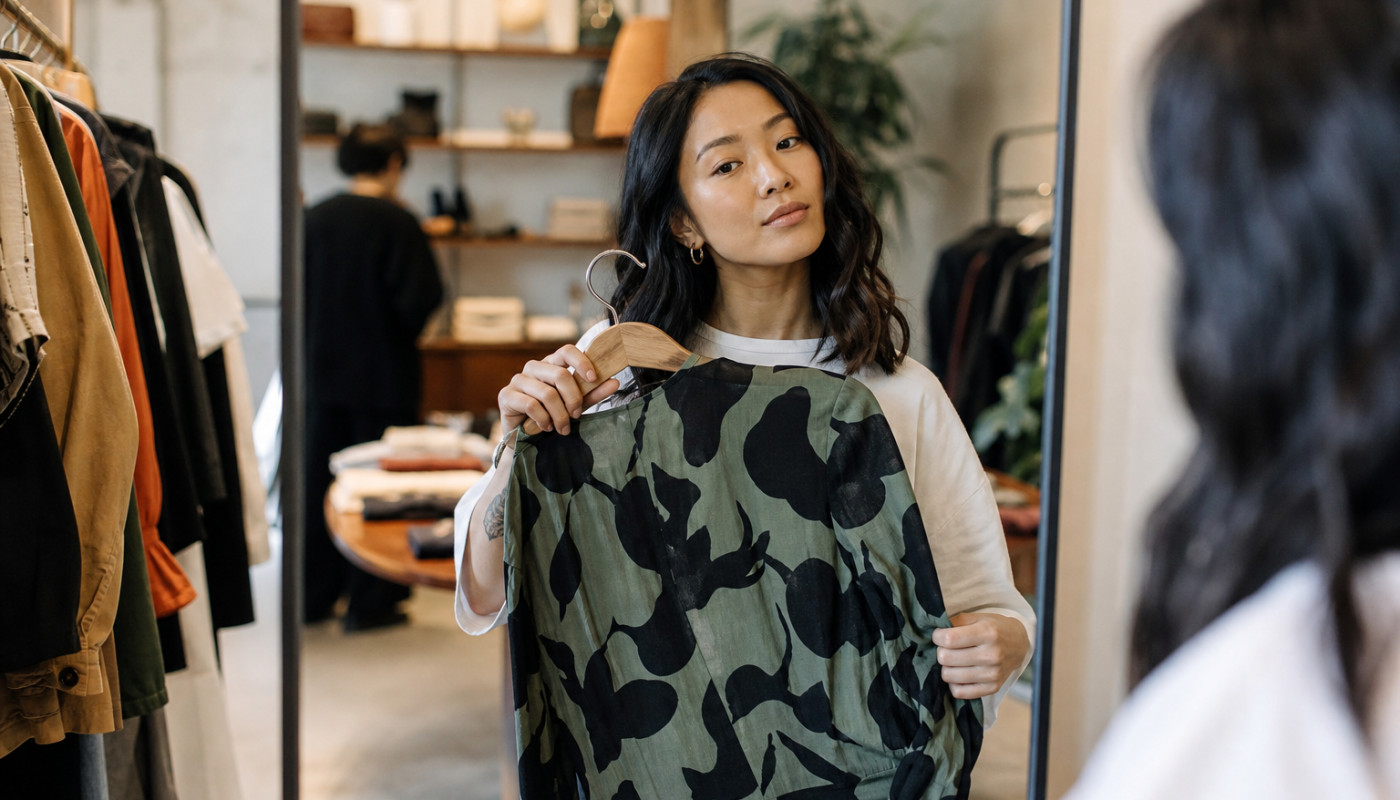
This is where boutiques quietly reshape the landscape. Unlike mass retailers that chase broad averages, boutiques make meaning out of specifics, and that meaning travels fast. A cropped jacket with softened shoulders says something different from a traditional blazer; wide-leg trousers in a technical fabric telegraph ease without sloppiness; a sneaker chosen for design history, not just comfort, broadcasts cultural awareness. The new “code” is less about categories and more about fluency. In practice, shoppers are building modular wardrobes that can shift roles in a day, and boutiques that curate across those roles become the new arbiters, translating runway ideas into wearable combinations while keeping the signal readable.
Boutiques turn trends into wearable identity
Personal style is not a mood board, it is repetition with intent. Trend cycles now move at the speed of platforms, and data from major consultancies tracking the fashion industry have repeatedly underlined the same reality: consumers are more fragmented, more value-conscious, and more willing to mix price points than in the era when brand allegiance defined a closet. Boutiques thrive in that fragmentation because their value is not scale, it is selection, and selection is a form of editorial judgement. A well-run boutique does what big-commerce filters cannot: it narrows the chaos, and it offers a point of view that customers can borrow until it becomes their own.
That point of view is built through curation mechanics most shoppers feel, even if they never name them. Color stories across a rack encourage coherent outfits rather than one-off purchases, and controlled variety, a few strong silhouettes repeated in different materials, makes experimentation less risky. Staff styling, whether in-store or on social feeds, provides social proof, and it can nudge customers to try proportions they would otherwise avoid, such as oversized outerwear balanced by slimmer layers, or a statement skirt anchored by a plain knit. Even pricing plays a role: boutiques often mix accessible pieces with aspirational items, letting a customer buy into an aesthetic without paying luxury head-to-toe. In a culture where identity is assembled publicly, boutiques sell more than garments; they sell a believable narrative of who you could be.
The Harajuku effect, now worldwide
Street style used to be local; now it is syndicated. Few places illustrate that better than Tokyo’s Harajuku, where subcultures have long treated clothing as language, and where styling can be as deliberate as graphic design. The global spread of Harajuku-inspired looks did not happen because everyone suddenly dressed the same, it happened because the scene offered something modern consumers crave: permission. Permission to layer without apology, to clash prints with confidence, to combine vintage with new, and to treat accessories as punctuation rather than afterthought. Social platforms amplified that permission, and international boutiques absorbed it, selectively, into their own markets.
What makes the “Harajuku effect” durable is that it is less a single aesthetic than a method, a way of assembling outfits that prioritizes individuality over conformity. You can see it in the resurgence of statement socks, in the return of playful hair accessories, and in the ongoing popularity of gender-fluid silhouettes that resist tidy categorisation. It also helps explain why small and mid-sized boutiques are gaining cultural influence even when retail margins are tight, because they can champion micro-trends before they hit chains, and they can give context, telling customers why a piece matters, where it came from, and how to wear it without looking like a costume. If you want to understand how that styling language travels and mutates, and how boutiques translate it for different audiences, hop over to these guys, a window into a scene that keeps feeding global wardrobes with new grammar.
How boutiques win trust in a tight economy
Style may be emotional, but shopping is increasingly analytical. Inflation pressures in recent years have pushed consumers to scrutinise cost per wear, durability, and resale value, while also demanding ethical and environmental reassurance, even if budgets limit how far ideals can stretch. At the same time, the apparel industry is notorious for waste, with overproduction and markdown cycles baked into many business models, and shoppers have learned to be sceptical of vague sustainability claims. In that climate, boutiques earn loyalty when they provide clarity: what a fabric does, how a garment fits over time, how to care for it, and why it costs what it costs.
Trust is built in details that sound almost old-fashioned, yet feel newly valuable. A boutique that offers tailoring recommendations, repair guidance, or transparent sizing advice reduces returns and disappointment, and it signals that the relationship does not end at the checkout. Many boutiques also operate with tighter buys than large chains, which can mean fewer “disposable” designs and more pieces that are meant to stay in rotation. The smartest stores turn this into a service proposition: capsule-wardrobe help, styling appointments, and curated drops that reward attention rather than impulse. For consumers navigating a noisy market, that guidance can be the difference between buying clothes and building a style, and it explains why boutiques, despite smaller footprints, often punch above their weight in shaping what looks modern, credible, and personal.
Plan your next wardrobe upgrade
Book a styling appointment early, especially around seasonal drops. Set a clear budget, and ask for cost-per-wear guidance instead of chasing discounts. Look for local repair, alteration, and resale options; they stretch spending and reduce waste. In some cities, textile-repair programmes and community grants can offset costs, so check municipal resources before you buy.
On the same subject

